Knowing Your Respiratory Hazards at Work
According to the American Thoracic Society, at least 20 million outdoor U.S. workers are exposed to respiratory hazards at work—negatively impacting your organization’s productivity and increasing absenteeism-related costs. High-risk groups include agricultural workers, construction workers, wildland firefighters, and employees in warehouses or indoor spaces affected by ambient air pollutants1.
As an employer, recognizing these hazards is crucial for protecting your workforce, reducing liability, and preventing costly workplace illnesses. By proactively adjusting your company’s work practices based on air quality and implementing a hierarchy of controls, you can minimize employee exposure to respiratory hazards—leading to fewer workers’ compensation claims, reduced absenteeism, and increased productivity. States that have adopted this approach have seen positive impacts, and it is recommended by the National Institute for Occupational Safety and Health1. By identifying respiratory hazards specific to your industry, you can develop targeted safety programs that safeguard employee health and support your organization’s bottom line.
Are Hidden Respiratory Hazards Threatening Your Workforce?
Respiratory hazards are substances or conditions in the air that threaten employee health and disrupt your business operations. These include particulates (tiny solid or liquid particles in the air), gases and vapors (forms of chemicals that become airborne), biological agents (microorganisms that can cause disease), and oxygen-deficient environments (areas with not enough oxygen)2. Inhalation, ingestion, or skin absorption are the three most common ways workers are exposed to toxic materials. The respiratory system is the quickest and most direct point of entry3. Industries such as agriculture, automotive, mechanical, transportation, hospitality, construction, manufacturing, mining, public safety, cosmetology, and facility services and maintenance face elevated business risks from respiratory hazards2.
Invisible Airborne Threats to Your Business
Particulates or aerosols are solid or liquid particles that float through the air. Gases and vapors arise from chemicals, solvents, fuels, disinfectants, and industrial processing. When inhaled, they may irritate airways, cause dizziness, or lead to long-term organ damage with prolonged exposure. Examples include4:
- Dusts from grinding, blasting, or mixing: silica, wood, metal, coal, and grain dust
- Fumes from welding, brazing, and smelting: zinc, lead, and iron
- Fibers from insulation products: asbestos and fiberglass
- Mists from splashing, foaming, and atomizing: paint spray, chemical droplets, oil mist
- Gases: ozone, carbon dioxide, carbon monoxide, and chlorine
- Vapors: methylene chloride, toluene, and mineral spirits
Particulates, such as dust, fumes, fibers, gases, an mists, can penetrate deeply into the lungs and, over time, cause chronic respiratory conditions, such as lung disease5. Some gases can be immediately dangerous to life and health (IDLH)6.
Biological Hazards: Protect Your Team from Unseen Dangers
Biological hazards include harmful organic materials and other microorganisms found in health care settings, agriculture, forestry, libraries/museums, food production facilities, laboratories, and waste-handling areas. Examples7:
- Bacteria, parasites, and fungi
- Blood and body fluids
- Airborne pathogens, such as the common cold
- Sewage
- Aerosolized organic matter in wastewater facilities
- Stinging or biting insects
- Harmful plants
- Animals and insects that produce biotoxins
- Animal and bird droppings
These hazards can cause respiratory infections, allergic reactions, and more serious medical conditions, including death if untreated7.
Oxygen-Deficient Atmospheres: The Silent, Deadly Risk Every Employer Must Address
Confined spaces can present what’s called an oxygen-deficient atmosphere, meaning it contains less than 19.5% oxygen. Without a respiratory device providing supplied air, a worker can experience dizziness, confusion, rapid unconsciousness, or death. This includes areas such as storage tanks, silos, underground facilities, and utility vaults. Confined areas are not the only environments at risk. Any industry where various gases are stored on site presents an opportunity for oxygen-depleted air8. These environments require specialized respiratory protection and strict safety procedures.
The Real Cost of Workplace Respiratory Hazards
Exposure can cause both immediate and long-term harm. Short-term symptoms may include frequent coughing, difficulty breathing, dizziness, chest pain, headaches, mucus or phlegm production, wheezing, or throat irritation. Long-term exposure can lead to5:
- Asbestosis
- Chronic obstructive pulmonary disease (COPD)
- Coal workers' pneumoconiosis or black lung disease
- Coccidioidomycosis or Valley Fever
- Histoplasmosis
- Hypersensitivity pneumonitis
- Lung cancer
- Mesothelioma
- Neurological effects from chemical vapors
- Silicosis
- Occupational asthma
Many of these hazardous airborne substances may be odorless or lack recognizable warning signs, making exposure assessments essential to protect your workforce and avoid costly consequences for your business.
Is Your Industry at High Risk? Where Respirators Are a Must
Personal protective equipment (PPE) is required in certain industries under OSHA standards. Other employers may also elect to utilize respirators to enhance employees’ health and safety. Respirators are indicated when airborne contaminants exceed safe levels or when other controls are inadequate. Respirators are required when9:
- Engineering controls (ventilation, dust suppression) are insufficient
- Administrative controls (rotation, scheduling) cannot reduce exposure
- OSHA standards mandate their use
- Exposure assessments show airborne contaminants above permissible limits
As an employer, you must select respirators based on the specific hazard, concentration, and environment to ensure compliance, minimize liability, and protect your employees.
Choosing the Right Respirator: Protecting Your Employees and Your Company
While the primary focus is on recognizing hazards, it’s helpful to understand basic respirator types10:
- Air-purifying respirators (APRs): Protect from an environment containing dusts, particulate matter, gases, or vapors
- Atmosphere-supplying respirators (ASRs): Required for IDLH or oxygen-deficient environments
Both types of respirators offer different levels of protection depending on the environment. Particulate filters (e.g., N95) are reusable and protect against dust and particulates. Elastomeric half- and full-face cartridge respirators additionally protect against gases and vapors. Full facepieces protect your eyes as well. Powered air-purifying respirators (PAPRs) are common in health care or high-exposure industrial settings. They have battery-powered blowers providing filtered air. Supplied-air respirators connect the mask to a hose that supplies clean compressed air from a separate source. Self-contained breathing apparatus (SCBAs) provide their own breathing air supply, allowing someone to remain mobile and enter or exit unsafe environments. PAPRs and SCBAs use a supplied air mixture (with 02). Each type has limitations and requires proper selection and training10.
Construction, Manufacturing, Mining, and Welding
These workers may frequently encounter11:
- Solvents and paints
- Plastics production fumes
- Metal dust and fabrication fumes
- Chemical processing vapors
- Silica dust
- Welding fumes
- Asbestos exposure
- Spray foam insulation chemicals
- Coal dust
- Diesel exhaust
- Low-oxygen atmospheres
Emergency Response and Firefighting
Firefighters and first responders regularly face11:
- Smoke and toxic combustion products
- Hazardous chemical releases
- Oxygen-deficient or IDLH conditions
- Infectious disease
Health Care
Respirators play a critical role in preventing transmission of infectious airborne diseases and protecting against sterilization gases.
Common hazards12:
- Airborne pathogens (e.g., tuberculosis, viral particles)
- Aerosol-generating medical procedures
- Sterilant such as ethylene oxide
- Surgical smoke
Cosmetology, Hair Styling, Housekeeping, and Janitorial Services
Employees may be exposed to11:
- Aerosol hair styling products
- Chemicals used in nail salons
- Aerosol cleaning chemicals
- Dust
Oil, Gas, and Chemical Processing
Workers may encounter11:
- Hydrogen sulfide (H₂S)
- Benzene
- Volatile organic compounds (VOCs)
- Confined-space hazards
- Chemical leaks or releases
- Diesel fumes
- Hydrocarbon gases and vapors (HGVs)
- Low-oxygen environments
- Silica
Warehousing, Agriculture, and Food Processing
Respiratory hazards include12:
- Grain dust and flour dust
- Animal dander and dried organic particles
- Ammonia in cold-storage facilities
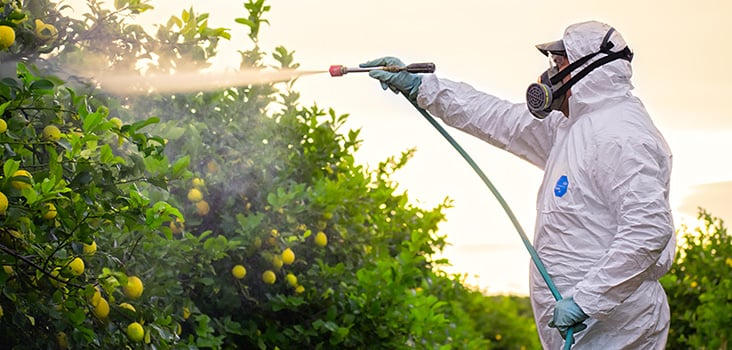
- Airborne Pesticides
How to Identify and Eliminate Respiratory Hazards in Your Workplace
Employers are required to evaluate workplace hazards through13:
- Exposure assessments
- Air monitoring
- Industrial hygiene evaluations
- Review of Safety Data Sheets (SDS)
These evaluations determine whether respirators are needed and which type is appropriate13.
Your Legal and Ethical Duties: Employer Responsibilities for Respiratory Protection
Employers must provide13:
- Medical evaluations of employees required to use respirators
- Respiratory fit testing for tight-fitting respirators
Protocols for:
- Selecting respirators for use in the workplace
- The proper use of respirators in routine and reasonably foreseeable emergencies
- Training and schedules for cleaning, disinfecting, storing, inspecting, repairing, discarding, and otherwise maintaining respirators
- Ensuring adequate air quality, quantity, and flow of breathing air for atmosphere-supplying respirators
- Training of employees in the respiratory hazards to which they are potentially exposed during routine and emergencies
- Training of employees in the proper use of respirators, including putting on and removing them, any limitations on their use, and their maintenance
- Regularly evaluating the effectiveness of the program
These measures not only protect your workers but also ensure your company meets regulatory requirements, reduces liability, and maintains operational continuity13. For industry-specific standards, refer to OSHA’s Respiratory Protection Standard.
Partnering With Occupational Health Experts
Respiratory protection in employees at risk has been heavily monitored for over 100 years. Even with standardization and regulation, respiratory protection ranked fourth among the top ten most frequently cited violations in 202514. This includes failure to provide medical evaluations, establish a written respiratory program, and ensure employees were fit-tested. Concentra can support employers with15:
- Respirator clearance evaluations with ancillary testing (physicals, pulmonary function tests, EKGs, and chest X-rays), resulting in an OSHA-compliant medical opinion
- Respirator fit testing, including qualitative testing at all locations and quantitative testing in most markets
- Onsite respirator clearance and testing available via mobile units or episodic events
- Medical surveillance evaluations for occupational exposures are often coordinated with respirator clearance
- Medical Director oversight through Medical Advisory Services to support the development and review of respiratory protection programs
Respiratory hazards are prevalent in many workplaces, and understanding them is vital to safeguard your workforce and your organization’s success. By identifying hazards, implementing controls, and ensuring proper respiratory protection, you can reduce absenteeism, avoid regulatory penalties, and strengthen your company’s safety reputation.
For support with respiratory hazard assessments, medical evaluations, or respirator fit testing, contact your Concentra representative.
Sources:
- Occupational Exposure to Ambient Air Pollution: At-Risk Worker Groups, Regulatory and Research Needs An Official American Thoracic Society Workshop Report, National Library of Medicine, November 1, 2025
- Respiratory Hazards in the Workplace, Washington Counties Risk Group, n.d.
- Potential Workplace Respiratory Hazards, Columbia University Research, n.d.
- Aerosols in the Workplace, National Institute for Occupational Safety and Health (NIOSH), July 9, 2024
- Occupational Lung Diseases, American Lung Association, n.d.
- Immediately Dangerous to Life or Health (IDLH) Values, NIOSH, April 1, 2026
- How to Prevent Biohazards, Occupational Health and Safety Outreach, February 17, 2023
- Respiratory Protection for Oxygen Deficient Atmosphere Hazards, National Library of Medicine, April 26, 2020
- A Brief Guide to Respiratory Protection in the Workplace, Safety Culture, September 25, 2025
- Respirator Types and Use, NIOSH, March 4, 2025
- Health Hazards Associated with Oil and Gas Extraction Activities, Occupational Safety and Health Administration (OSHA), n.d.
- Health Care Respiratory Protection, NIOSH, January 15, 2025
- Occupational Safety and Health Standards, OSHA, September 26, 2019
- Top 10 Most Frequently Cited Standards for Fiscal Year 2024, OSHA, September 30, 2024
- Respirator Exams, Concentra, n.d.