Select Medical Holdings Corporation02/28/2024
MECHANICSBURG, Pa., Feb. 27, 2024 /PRNewswire/ -- Select Medical Holdings Corporation ("Select Medical," "we," "us," or "our") (NYSE: SEM) announced today that it has received a favorable private letter ruling from the Internal Revenue Service (the "IRS") with respect to the tax-free status of its previously announced plan to pursue a separation of its wholly-owned occupational health services business, Concentra Group Holdings Parent, LLC ("Concentra" and such business, the "Concentra business").


 Workplace onsite clinics use technology to create the next generation of primary care – Whole Person Care.



 Employers are adopting telemedicine for workers’ compensation. Our e-book explains why and reveals how the COVID-19 pandemic will make this trend the new normal.







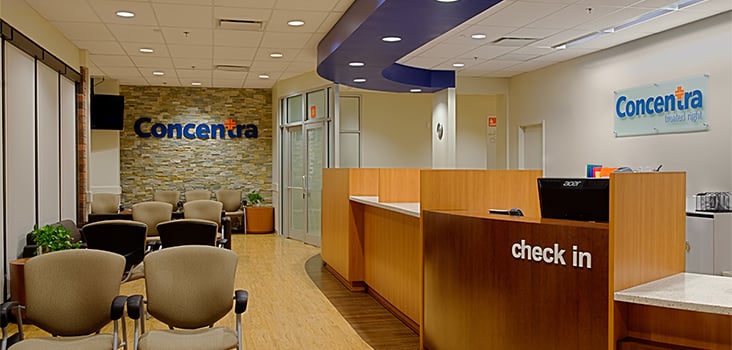 MECHANICSBURG, Pa., Feb. 27, 2024 /PRNewswire/ -- Select Medical Holdings Corporation ("Select Medical," "we," "us," or "our") (NYSE: SEM) announced today that it has received a favorable private letter ruling from the Internal Revenue Service (the "IRS") with respect to the tax-free status of its previously announced plan to pursue a separation of its wholly-owned occupational health services business, Concentra Group Holdings Parent, LLC ("Concentra" and such business, the "Concentra business").